Cavus Foot Deformity Correction, Adductoplasty Surgeons
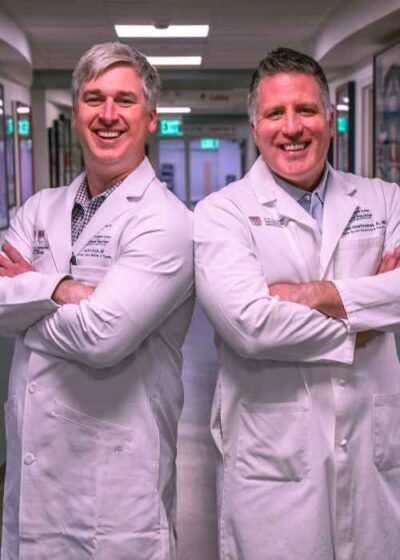
If you are struggling with chronic foot or ankle pain, deformity, or difficulty walking due to a foot deformity, don’t wait to get expert evaluation. Dr. C. Thomas Haytmanek and Dr. Jonathon Backus provide advanced adductoplasty and midfoot osteotomy for patients in Vail, Colorado, Eagle Mountain Range Community. Their precise surgical techniques and personalized care plans help restore alignment, reduce pain, and get you back to the activities you love. Schedule a consultation today!
Adductoplasty and Midfoot Osteotomy:
Foot and ankle pain can significantly limit movement, balance, and overall quality of life, especially for active individuals living in and around Vail, Colorado, and the surrounding Eagle Mountain Ranges. When structural deformities or chronic tendon imbalances disrupt normal alignment, conservative treatments may only offer incomplete relief. In these cases, midfoot osteotomies, a specialized reconstructive procedure performed by Dr. C. Thomas Haytmanek and Dr. Jonathon Backus, may offer a long-term solution.
Adductoplasty for the foot and ankle focuses on correcting deformity of the lesser metatarsals caused by excessive adduction forces (forces such as muscles, tendons, or foot imbalance that moves the bones of the foot toward the midline.) A bunion or hallux valgus deformity is also common in patients with forefoot adductus. This can often contribute to forefoot imbalance, chronic foot pain and progressive deformity. As experts in advanced foot and ankle surgery, Dr. Haytmanek and Dr. Backus use this technique to restore proper alignment and help patients return safely to their active lifestyles.
What Is Adductoplasty?
Adductoplasty is the name of a surgical procedure designed to rebalance the soft-tissue structures of the forefoot or midfoot when excessive pulling from tendons or ligaments causes the foot to turn inward and is often associated with a high arch or cavus type foot deformity. While commonly associated with bunion procedures, adductoplasty in the foot plays a key role in minimizing the chances of bunion recurrence or inadequate correction. This procedure precisely repositions the bone anatomy, helping restore a neutral alignment and improve both foot stability and mechanics.
What conditions can Adductoplasty treat?
Many underlying conditions can cause painful or dysfunctional foot alignment. While non-surgical treatment is the first line treatment (custom, accommodative orthotics, PT for foot stretching and strengthening) Adductoplasty is often recommended when deformity is progressive or resistant to conservative care. Common foot or ankle diagnoses include:
- Congenital metatarsus adductus in adolescents or adults
- Post-traumatic deformities following fractures or ligament injuries
- Residual deformities after previous foot surgery
- Chronic tendon imbalance affecting gait or loading
These conditions are seen in active individuals, hikers, skiers, and athletes who rely heavily on stable foot mechanics to perform and avoid further injury.
How is adductoplasty performed?
The technique for adductoplasty varies based on the patient’s specific anatomy and severity of deformity. At The Steadman Clinic in Vail, Dr. Haytmanek and Dr. Backus use modern, minimally disruptive methods whenever possible. A typical surgical approach may include:
- Corrective bony procedures, such as osteotomies (both open and minimally invasive), when structural deformity contributes to symptoms
- Fusion with realignment of the lesser metatarsals through the tarsometatarsal joints.
These steps ensure adequate room between the first and second metatarsals to correct a bunion deformity and improve weight distribution through the forefoot. The procedure also allows for translation of the metatarsal heads laterally (to the outside), which help to properly distribute weight throughout the foot.
Why should I consider adductoplasty for my painful feet?
When performed for the right indications, adductoplasty or midfoot osteotomies can significantly improve comfort and mobility. If completed with a hallux valgus or bunion correction, this procedure can ensure that bunion correction is successful. Patients often seek care after living with long-standing pain or difficulty walking on uneven terrain, which is a common challenge in mountainous regions like Vail. The key benefits of adductoplasty include:
- Reduction in localized forefoot or midfoot pain
- Improved alignment and gait mechanics
- Better weight distribution during walking and sport
- Reduced risk of future deformity or overload injuries
- Reduced risk of bunion recurrence.
How do I know if I am a candidate for adductoplasty?
Determining whether adductoplasty is appropriate requires expert evaluation. At their Vail practice, Dr. Haytmanek and Dr. Backus conduct detailed assessments that may include:
- Comprehensive physical examination
- Gait analysis and functional testing
- Weight-bearing X-rays or advanced imaging
- Review of previous treatments and surgical history
By correlating symptoms with imaging, they identify the exact source of deformity and create a customized treatment plan.
How long is the recovery after adductoplasty?
Recovery times vary based on whether the adductoplasty is performed alone or combined with another corrective procedure such as a bunion or hallux valgus surgery. In general, many patients experience the following:
- Initial immobilization in a splint or cast: Patients are typically non-weight bearing for the first 6 weeks.
- Increasing weight: Weeks 6-8 are typically a time of increasing weight in a CAM boot, but the timeframe can be longer and is individualized for each patient.
- Weaning from CAM boot: Typically done between weeks 6 and 8.
- Physical therapy: a plan tailored to your specific surgery and future goals, but usually starts at 2 weeks or 6 weeks and is prescribed 2-3 times per week.
- Return to normal activities in about 3-6 months.
Some swelling and discomfort can occur for up to a year after adductoplasty and at time continued physical therapy is required to restore strength and flexibility. Most patient continue a home exercise program until the one year mark after being discharged from formal physical therapy.
FAQs About Foot and Ankle Adductoplasty:
Adductoplasty: proven treatment for chronic foot pain
Adductoplasty offers a highly effective solution for correcting foot deformities and rebalancing the soft-tissue structures of the forefoot or midfoot. Often, congenital deformity such as a cavus deformity or equinovarus deformity can be treated successfully with adductoplasty. For patients in Vail, Colorado, and the surrounding Eagle Mountain Ranges, Dr. C. Thomas Haytmanek and Dr. Jonathon Backus bring advanced expertise, precision, and a patient-centered approach to diagnosing and treating these complex conditions. Through expert surgical planning and evidence-based care, they help restore alignment, reduce pain, and support long-term foot and ankle health. Contact our office today!